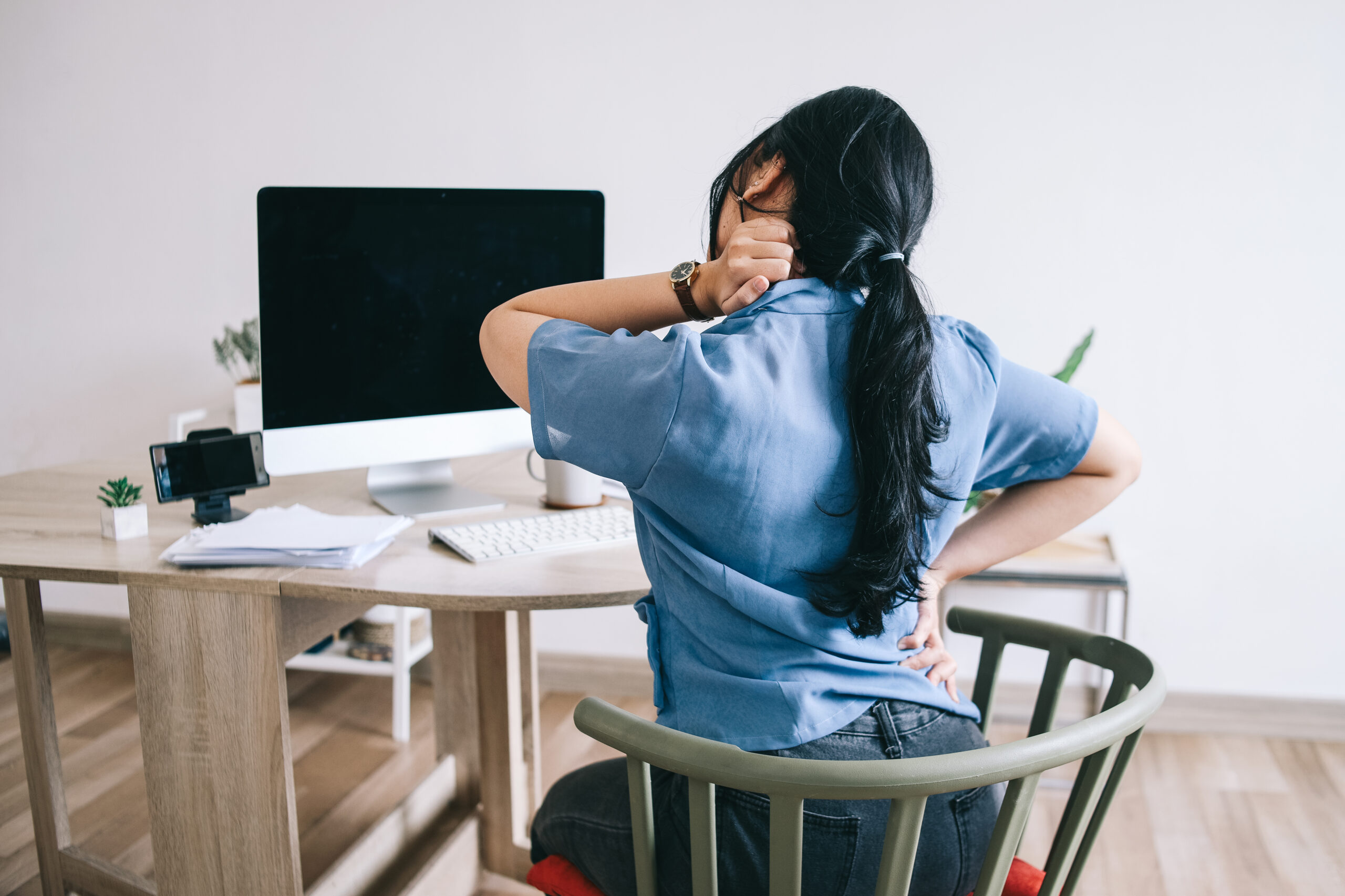


Do you often experience headaches? For some, headaches are a common concern that may occur from time to time, but for others, they can greatly impact daily life. From a Traditional Chinese Medicine (TCM) perspective, different types of headaches may result from disharmony in the body. Addressing headaches requires a holistic approach to identify underlying imbalances.
Understanding Headaches from a TCM Perspective
TCM views headaches as manifestations of imbalances in the body’s Qi, or vital energy. Disruptions in blood circulation and organ function may also cause headaches. The imbalances that may cause headaches include:
1. Qi Stagnation
TCM believes that a smooth flow of Qi is necessary for optimal health. However, stress, anxiety, or unresolved emotional issues may disrupt Qi flow in the body, leading to headaches that feel like tight pressure on the head.
2. Blood Deficiency
Insufficient blood flow to the brain may also cause headache symptoms, such as fatigue, dizziness, and a pale complexion. Blood deficiency is common among individuals with poor diets or those recovering from illness.
3. Liver Yang Rising
Dealing with chronic stress and anger, or consuming a poor diet, may cause the liver to become imbalanced, leading to Liver Yang Rising. This is characterised by throbbing and pulsating headaches that are often accompanied by irritability and dizziness.
4. Dampness and Phlegm Accumulation
Dull, persistent headaches are believed to be caused by poor digestion or excessive dampness in the body. This obstructs energy flow, leaving individuals feeling heavy, which may be accompanied by dizziness or nausea.
5. Wind-Cold or Wind-Heat Invasion
Sometimes, external factors such as sudden weather changes or excessive consumption of cold or spicy foods can lead to Wind-Cold or Wind-Heat invasion in the body. This may cause sudden headaches, accompanied by fever, chills, and an aversion to cold or heat.
Common Types of Headaches Treated with TCM
In TCM, headaches are classified according to their characteristics, location, and symptoms. The location of the headache helps practitioners identify the underlying cause and recommend targeted treatments.
Frontal Headaches (Yang Ming)
Frontal headache or Yang Ming headache occurs in the forehead or above the eyebrows. It is usually associated with energy blockage or imbalance in the Stomach-Spleen, and is linked to poor digestion and the excessive consumption of greasy or spicy foods.
Temporal Headaches (Shao Yang)
Headaches that occur on the sides of the head or temples are known as Shao Yang in TCM. They often occur due to stress and emotional strain and are usually linked to Liver Qi and gallbladder stagnation.
Occipital Headaches (Tai Yang)
A headache felt in the back of the head and neck is known as a Tai Yang (occipital) headache. This is often caused by external factors, such as cold or wind, which can lead to tension and stiffness in the occipital region.
Deep, Internal Headaches (Shao Yin)
Headaches that feel like deep pain inside the head are known as Shao Yin. It is believed to be caused by Kidney Yin or Yang deficiency, which causes a lack of nourishment for the brain. It is especially common in individuals experiencing chronic fatigue or overwork.
Vertex Headaches (Jue Yin)
Vertex headaches occur on the top or crown of the head and cause dizziness and discomfort. This type of headache is known to be caused by blood deficiency or internal liver wind.
How TCM Treats Headaches
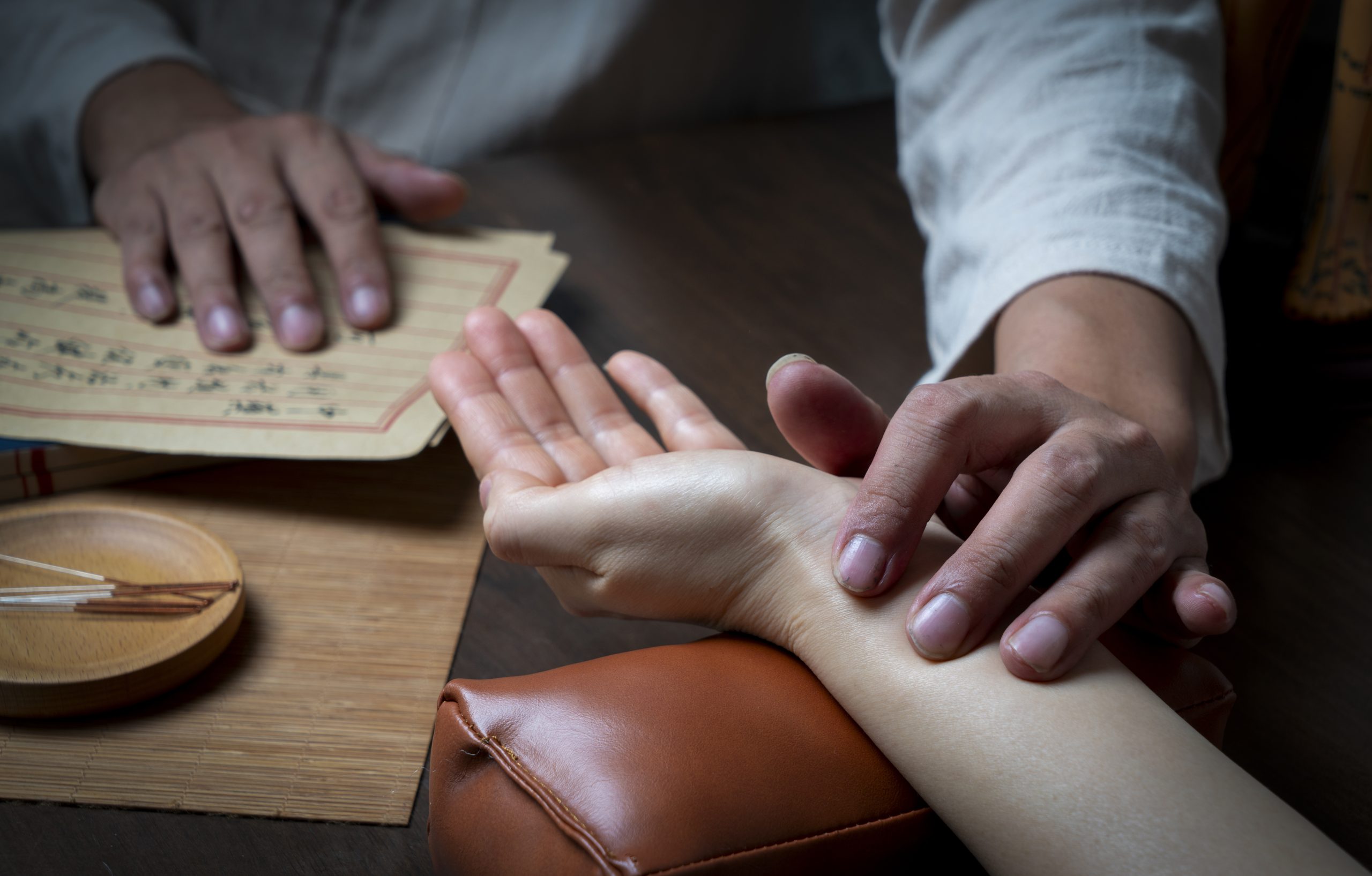
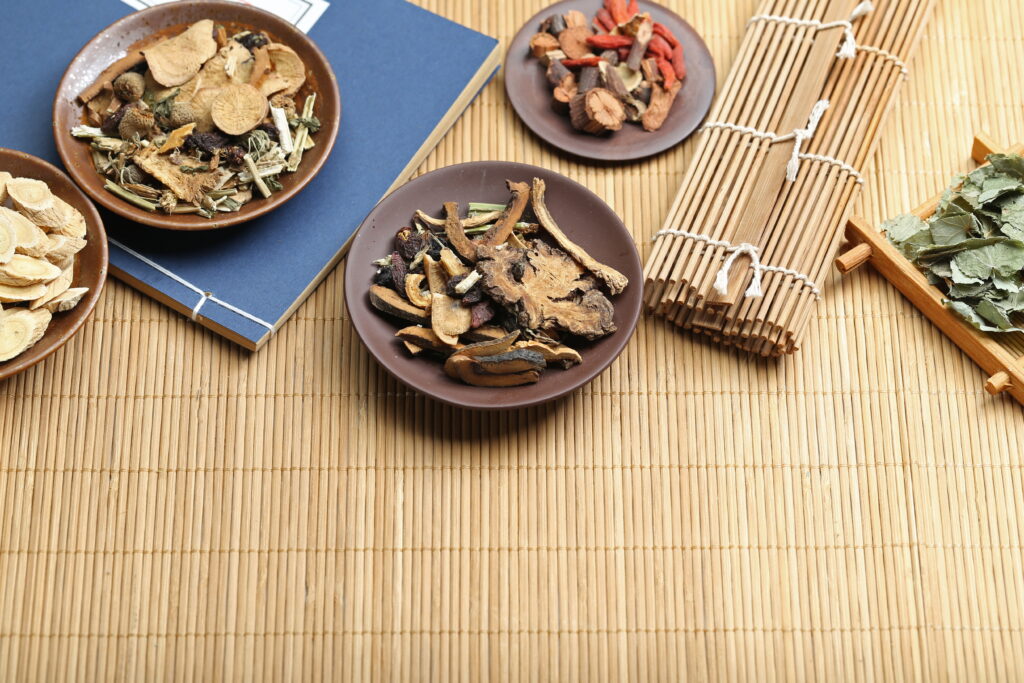
TCM headache treatments may include customised herbal remedies and other methods tailored to individual needs, ensuring a more personalised approach.
Herbal Medicine
Your TCM practitioner may recommend various herbal formulas to address existing imbalances, relieve pain, and prevent recurring headaches. These herbs are prescribed depending on the type and location of the headache. For example, Bai Zhu (Atractylodes) and Huang Lian (Coptis) may be given for frontal headaches related to stomach heat. In contrast, deeper headaches are usually treated with herbal tonics like Shu Di Huang (Rehmannia) and Gou Qi Zi (Goji Berry). Knowing which herbal formula is best for your specific type of headache requires a holistic diagnosis by an experienced practitioner, so it is best to consult a TCM clinic.
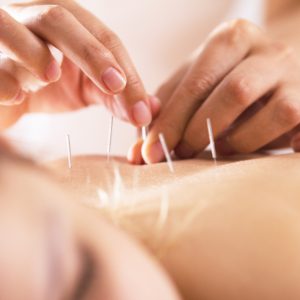
Acupuncture
Acupuncture targets energy pathways linked to the head, regulating Qi flow and restoring balance.
Some acupoints known to help relieve headaches include Taichong (LR3), Hegu (LI4), Fengchi (GB-20), and Taiyang (EX-HN5).
Dietary Adjustments
To ensure that your headache symptoms are well-controlled, your practitioner may advise you to make some dietary adjustments. This includes avoiding caffeine, alcohol, and processed foods that may trigger heat buildup and headaches, and eating more cooling foods such as cucumbers, mint, and green leafy vegetables.
FAQ
When should I consult a TCM practitioner for my headache?
If you are experiencing chronic, recurrent, or tension-type headaches that cannot be fully relieved by conventional medication, or headaches related to high stress or anxiety, you should consider consulting a TCM practitioner. TCM aims to address the root causes of your headaches, helping to reduce their frequency and severity.
Can TCM completely cure headaches?
While TCM can help relieve headaches and reduce recurrences, a complete cure depends on individual health conditions and lifestyle. Your practitioner will assess your specific condition to recommend a suitable treatment plan and timeline.
How long does it take to see results with TCM for headaches?
Results may vary among individuals, and consistent TCM treatments, together with lifestyle changes, may increase the likelihood of headache pain relief.
Can TCM be used alongside Western medications for migraines?
TCM can complement Western medications by helping provide additional relief and reducing symptoms. Unlike Western medicine, TCM focuses on addressing the underlying imbalances that cause your headaches.
Are there any TCM massage tips to relieve headaches at home?
Yes, performing a TCM massage at home may help manage headaches when they happen. Focus on massaging these acupressure points:
- Yintang (between eyebrows): Gently massage in circular motions with your index finger for about a minute.
- Jian Jing (on the top of the shoulder, at the highest point of the trapezius muscle): Apply firm, circular pressure with your thumb for 1 minute; repeat on the opposite side.
- Hegu (web between thumb and index finger): Pinch with index finger and thumb for ten seconds. Then, make small circles along the area with your thumb.
- Fengchi (base of the skull, in the hollows on either side of the neck): Press firmly in an upward direction with your index and middle fingers.
Alleviate Headache Symptoms with TCM Treatments
Persistent headaches can cause significant discomfort and hinder your daily routine. With TCM, we diagnose the root causes of your headache, address internal imbalances, and recommend appropriate treatments to help manage symptoms.
Looking for a TCM clinic in Singapore to resolve your headache or other health issues? Yu He Tang Wen’s TCM Center is here to provide you with a tailored treatment plan and improve your well-being. Consult with us today!