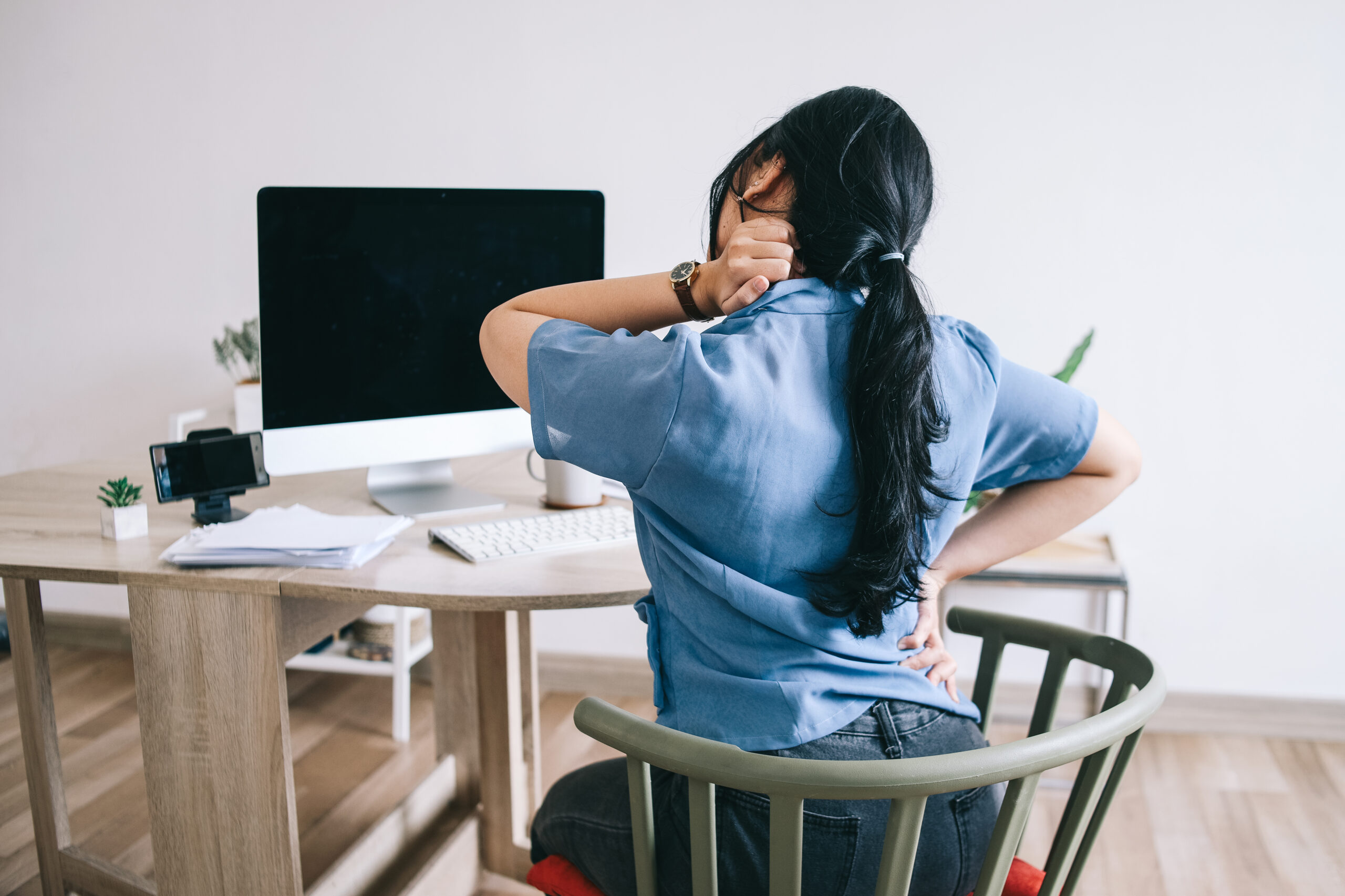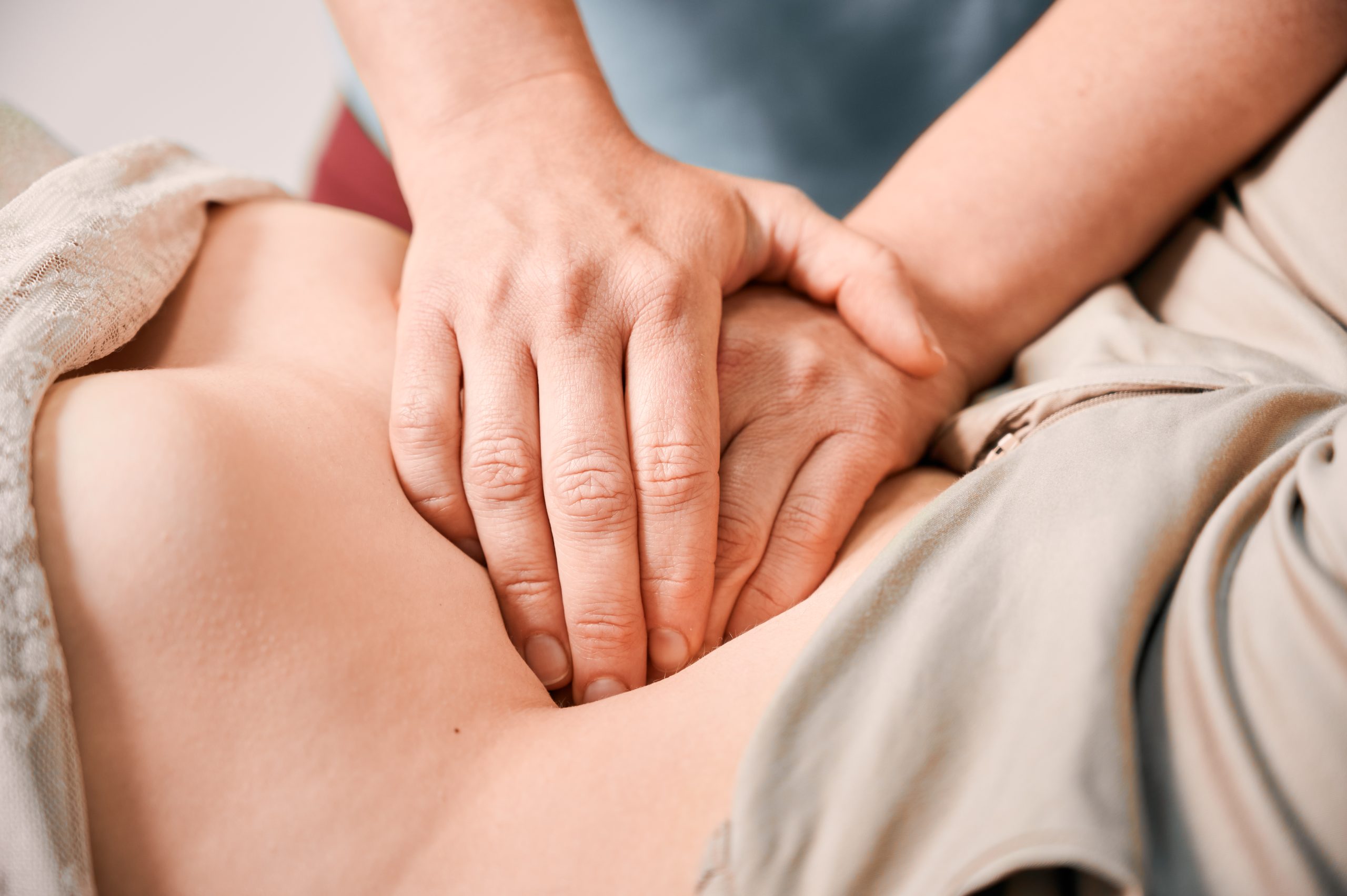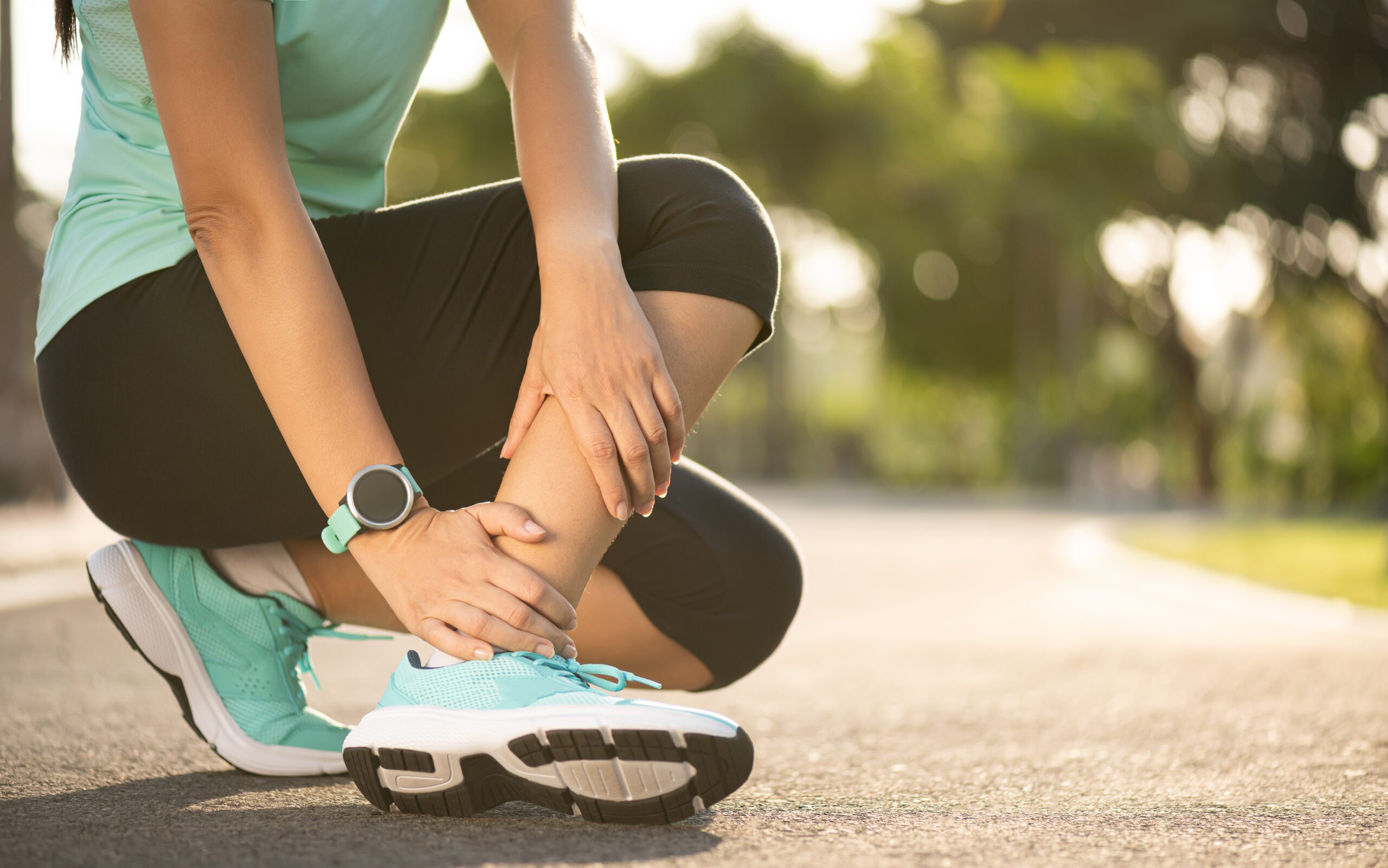
Knee pain is a common issue that may be experienced by people of all ages and lifestyles. When this happens, it can cause significant discomfort in everyday activities such as walking, climbing stairs, squatting, or exercising. Traditional Chinese Medicine (TCM) offers a holistic approach that focuses on relieving pain while addressing its underlying cause. At Yu He Tang Wen’s TCM Clinic in Singapore, we combine acupuncture, Chinese herbal medicine, and other approaches to recommend a personalised treatment plan aimed at helping improve mobility and support long-term recovery.
Can TCM Help Relieve Knee Pain?
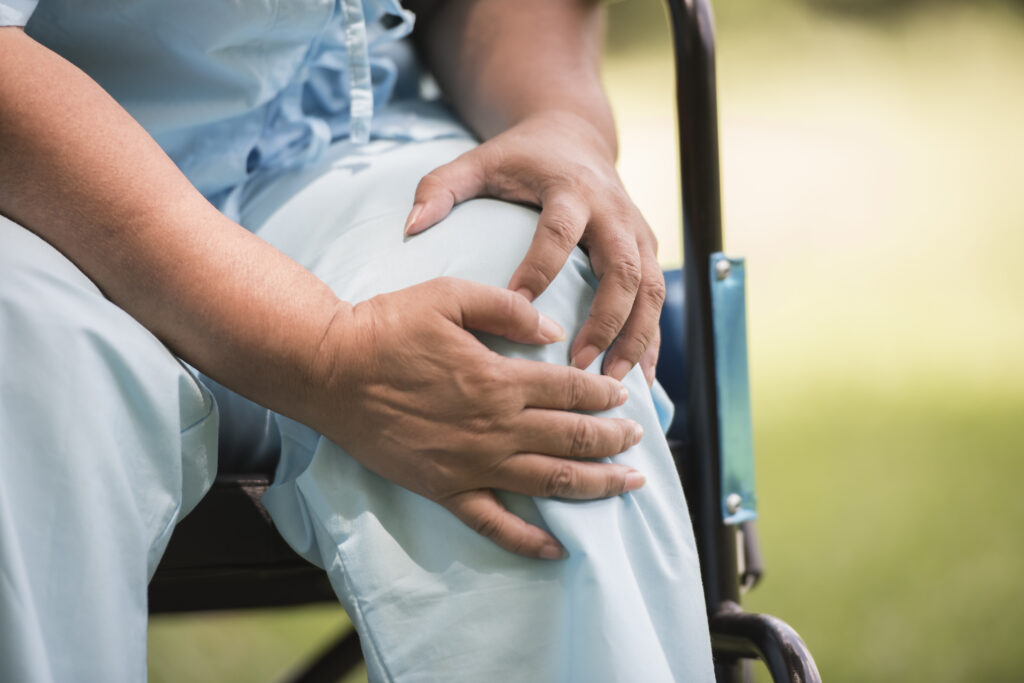
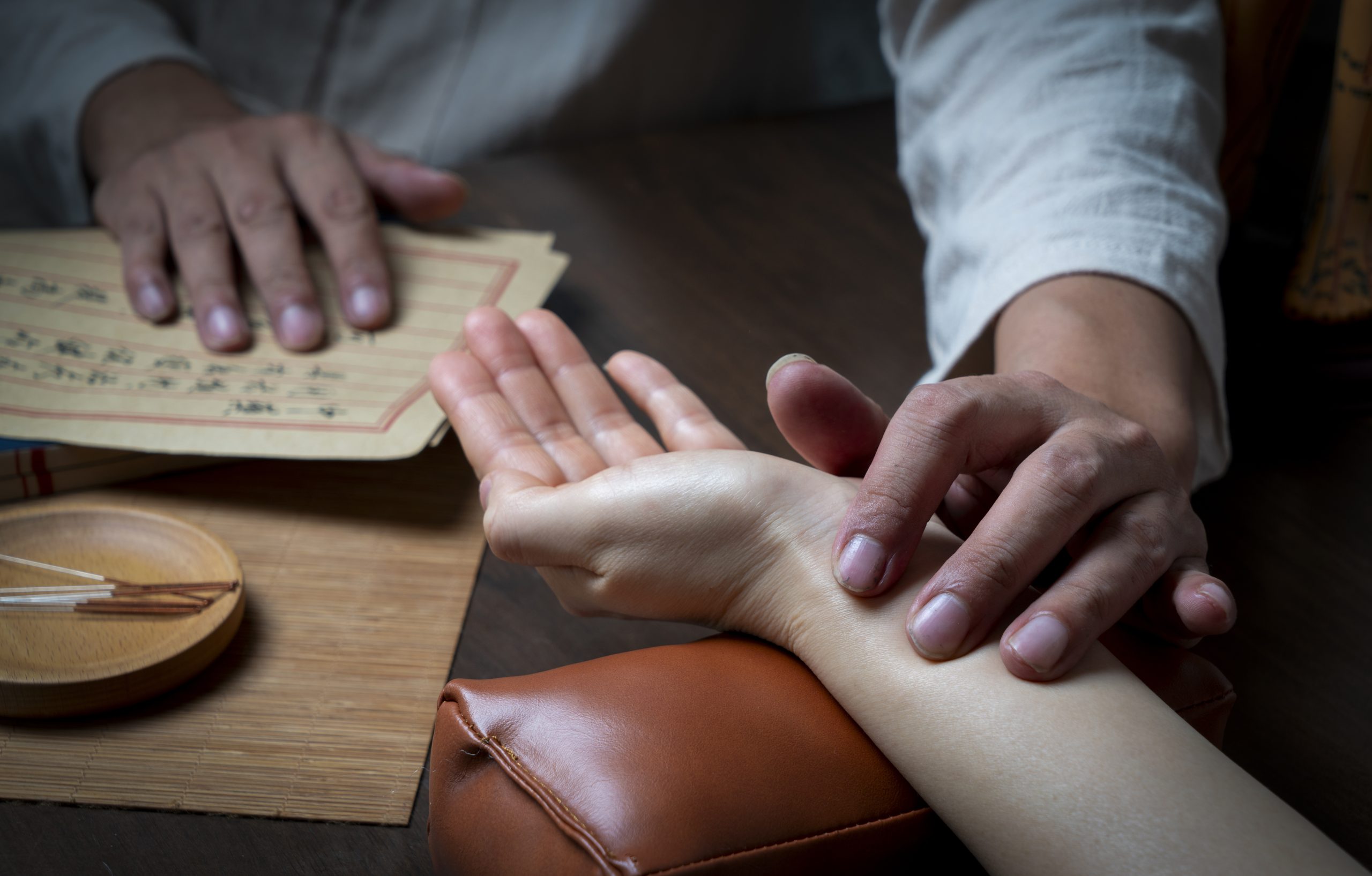
TCM is widely used as a complementary therapy to help relieve knee pain and improve joint function by focusing on identifying the root cause of your pain. Studies suggest that acupuncture may help reduce knee pain associated with osteoarthritis by improving local blood circulation, reducing inflammation, and stimulating the body’s natural pain-relieving mechanisms. However, it should be noted that results may vary depending on the individual’s condition. Make sure you consult a qualified TCM practitioner to get a suitable assessment and recommendation for your specific condition, and inform them of any conventional treatment or medicine you are already taking.
Understanding Knee Pain from a TCM Perspective
From a TCM standpoint, various causes may contribute to knee pain:
- Bi Syndrome (痹证): A blockage or painful obstruction caused by external pathogenic factors including Wind, Cold, Dampness, or Heat that block the meridians and lead to pain and stiffness.
- Qi and Blood Stagnation: Poor Qi and Blood circulation due to prolonged inactivity, emotional stress, or chronic strain may result in an aching or stabbing pain in the knee that worsens with pressure.
- Cold-Damp Invasion: When Cold and Dampness penetrate into the knee joints, the meridians may become constricted, impairing blood flow and leading to tightness or pain that tends to worsen in damp or cold weather.
- Kidney Deficiency: In TCM, the Kidneys are known to govern the bones. A deficiency in the kidneys can weaken the knee’s structural support, leading to weakness and fatigue.
- Liver & Kidney Deficiency: In some cases, long-term depletion of the Liver blood and Kidney essence can lead to chronic knee pain, which is common due to ageing or overuse.
- Blood Stasis after injury: Local trauma to the knee may create blood stasis, leading to a sharp pain that is often accompanied by dark discolouration and tenderness.
Knee pain can be caused by external pathogens, such as wind and dampness, that may block channels and hinder blood and Qi circulation in the body. These external pathogens can quickly enter our bodies due to various factors, such as sitting in an air-conditioned room for too long or overexposure to humidity. Combined with stress and fatigue, this can weaken the body, causing the muscles and tendons around the knee joint to experience pain.
Common Types of Knee Pain Treated with TCM
Identifying the type of knee pain you have can guide you toward a suitable treatment plan. The common types of knee pain that can be managed with TCM are:
Arthritis-Related Pain
Arthritis-related knee pain, such as osteoarthritis, may develop due to ageing or injuries. This condition wears down the knee cartilage and causes pain and stiffness, which worsen with frequent activity. Rheumatoid arthritis can also affect the knee.
Injury-Related Pain
Injury to the knee due to physical activities, such as ligament tears or meniscus injuries, may cause pain along with locking or catching in the knee during movement. TCM can help reduce pain and support tissue repair in the affected area.
Inflammation
Conditions such as bursitis or tendonitis may cause the knee to be inflamed. TCM aims to address the inflammation, which may relieve pain.
TCM Treatment for Knee Pain
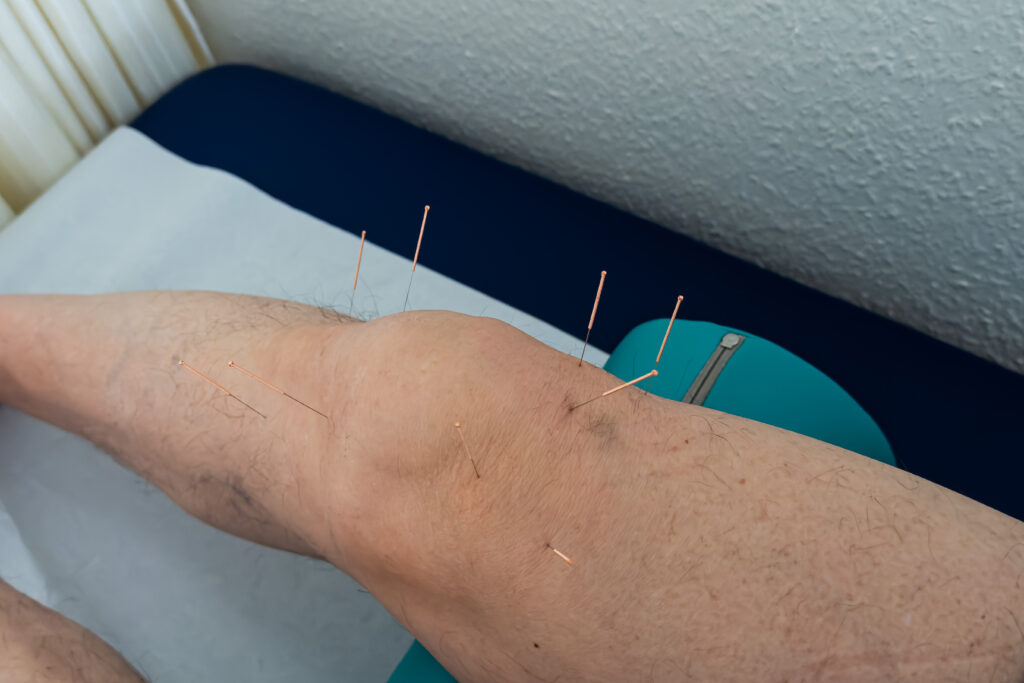
TCM for knee pain aims to promote a smoother flow of Qi and blood in the body, which may result in pain alleviation and balance restoration. Our TCM practitioner may recommend a combination of treatments, including:
Acupuncture
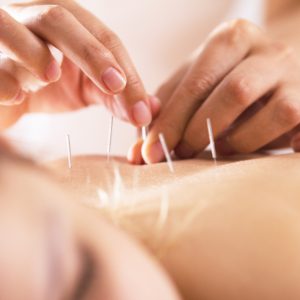
Acupuncture is a TCM treatment which may support stimulating the flow of Qi and reduce inflammation in the affected area. For knee pain, acupuncture may help:
- Improve blood circulation: Acupuncture may dilate local blood vessels and trigger the release of vasodilators, which may counteract the stagnation that causes dull and aching pain.
- Reduce inflammation: The fine needles used in acupuncture may promote the release of anti-inflammatory compounds, which may calm inflammation that is common in acute Bi Syndrome.
- Relieve muscle tension: By stimulating sensory nerves, acupuncture may help relax tight muscles and reduce compressive stress on the knee joint.
- Promote tissue healing: Acupuncture may help speed up the repair of micro-tears in ligaments and tendons.
- Stimulate the body’s natural pain-relieving response: By helping activate the central nervous system to release endorphins and serotonin, acupuncture can help block pain signals associated with knee aches.
- Improve knee mobility: Due to the reduced swelling, more relaxed muscles, and reduced pain, acupuncture may restore normal mobility of the knee for daily activities.
Frequently used acupuncture points are:
- Zu San Li (足三里, ST36): May enhance Qi and blood flow to improve knee joint function
- Xue Hai (血海, SP10): May stimulate blood circulation and address blood stasis
- Yin Ling Quan (阴陵泉, SP9): May help drain excessive dampness and reduce knee stiffness
Chinese Herbal Medicine
Chinese herbal formulations may also be prescribed based on each patient’s body constitution and underlying pattern diagnosis. Rather than relying on a single herb, our qualified TCM practitioners offer customised herbal formulas created to address the root cause of knee pain and support pain relief.
Warm Needle Moxibustion Therapy
This treatment uses warmth from burning moxa, which may help stimulate blood and Qi circulation. Since moxibustion may also help warm the meridians, it can be used to manage cold and dampness-related knee pain.
Cupping
Cupping is a treatment that may be recommended to address chronic knee joint discomfort and stiffness. During this treatment, cups are placed on acupuncture points around the knee to create suction. The resulting suction may help to relieve muscle tension, reduce swelling, and improve blood flow.
Herbal Dressing
Herbal dressing is another TCM treatment for knee pain, especially conditions caused by inflammation. Our practitioner will apply herbal ointments topically to help reduce swelling and alleviate pain. The herbs typically used for knee pain are Du Huo (独活), which helps relieve wind-dampness and joint aches, along with Niu Xi (牛膝), which helps invigorate blood circulation and strengthen the joints, and Sang Ji Sheng (桑寄生), which may address arthritic pain and muscle tension.
Get TCM Care to Help Address Knee Pain at Yu He Tang Wen’s TCM Clinic
If knee pain is affecting your daily life, early treatment may help prevent further joint deterioration. At Yu He Tang Wen’s TCM Clinic, our experienced TCM physicians are here to help provide personalised treatment plans through acupuncture, herbal medicine, cupping, moxibustion and other traditional therapies to support pain relief and mobility improvement. Book a visit to our TCM clinic in Singapore for knee pain relief and improved well-being today!
Holland Village
- Address: 10A Lorong Mambong, Holland Village Singapore 277675
- Office Number: +65 6908 7158
- Whatsapp: +65 8878 7898
- Opening Hours: Daily 10am - 10pm
Tanjong Pagar
-
Tanjong Pagar
(Women and Kids) - Address: Blk 1 Tanjong Pagar Plz, #01-11 Singapore 082001
- Office Number: +65 6298 7288
- Whatsapp: +65 8227 7527
- Opening Hours: Daily 10am - 9.30pm
-
Tanjong Pagar
(Pain Centre) - Address: Blk 1 Tanjong Pagar Plz, #01-09 Singapore 082001
- Office Number: +65 6909 0199
- Whatsapp: +65 9188 1158
- Opening Hours: Daily 10am - 9.30pm