
Insomnia is a sleep disorder that many individuals are familiar with. Constantly tossing and turning at night, or waking up repeatedly despite feeling exhausted, can negatively impact individuals’ mental health and quality of life. While insomnia is often linked to stress or busy schedules, Traditional Chinese Medicine (TCM) views this condition as a deeper sign of imbalance. At Yu He Tang Wen’s TCM Clinic in Singapore, our registered TCM physicians carefully assess each individual’s specific condition to recommend a personalised treatment plan, which may include acupuncture and Chinese herbal medicine, to help address insomnia and improve sleep quality.
What Is Insomnia from a TCM Perspective?

From a TCM standpoint, insomnia is considered a symptom of underlying imbalances rather than a condition. Disharmonies such as frequent waking, restless sleep, or difficulty sleeping are seen as signs of imbalances within the body’s Qi, Blood, Yin, or Yang.
TCM holds that the human body is part of nature and should follow the natural rhythm of activity by being active during the day and resting once the sun sets. During the day, the Yang energy is considered to help you stay alert, while the Yin takes over at night to promote relaxation and sleep. TCM emphasises the balance of both forces for one to be healthy. When both forces are not balanced, illness will occur, and in the case of Insomnia, the imbalance stems from a Yin deficiency, which results in an overpowering Yang force. Disruption of this natural rhythm can lead to insomnia.
Common Causes of Insomnia From TCM Perspective
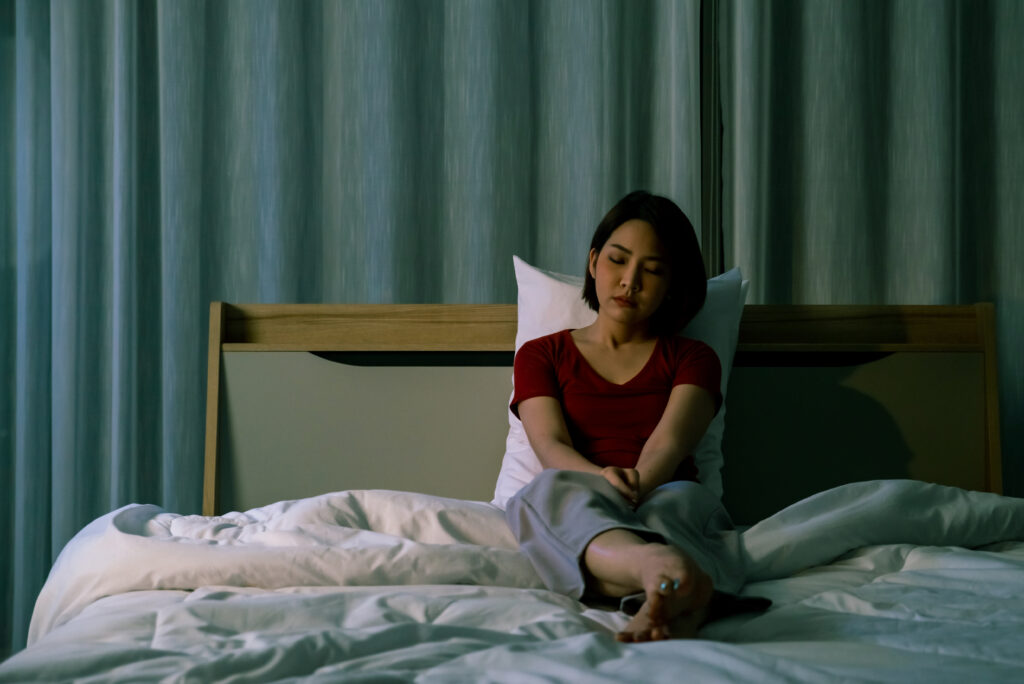
Insomnia may be caused by several reasons, including:
Heat and Liver Qi Stagnation
Heat is believed to be a pathogenic factor (壮火) that can arise externally or internally. Excessive heat may consume Qi and disrupt its proper flow. Stress, frustration, and unresolved emotions may also cause the Liver Qi to generate heat, which may worsen insomnia symptoms. TCM also associates frequent waking between 1 am and 3 am, fearful or anxious awakening, timidity, irritability, and sighing with disorders in the liver and/or gallbladder.
Excess Yang Energy
A hyperactivity of the body’s Yang energy can cause excessive heat, inflammation, and overstimulation. This may disturb the normal balance between Yin and Yang, which may manifest as difficulty falling asleep. This pattern may be associated with hectic lifestyles, where individuals’ nerves remain tense late into the night. Habits such as watching exciting TV shows or horror movies, eating supper late, or exercising vigorously before going to bed will stimulate the Yang and make it more difficult to settle down for sleep, which disrupts the body’s natural rhythm. Children who naturally carry an abundance of Yang energy may also show this pattern. Individuals with excess Yang tend to feel more irritable and may experience dizziness, headaches, or facial flushing as common symptoms.
Spleen and Stomach Disharmony
Poor digestion, inconsistent eating schedules, or anxiety can cause disharmony within the Spleen and Stomach. As these organs transform food into Qi and blood, any disharmony can cause undigested food to ferment into phlegm-heat or stagnate the Qi. This may then affect the Mind (Shen), which can contribute to insomnia.
Kidney Yin Deficiency
The Kidney Yin can become depleted due to ageing, chronic stress, or emotional distress. When this happens, heat may rise in the body and cause restlessness and agitation. This pattern is more common among individuals who are thin or weak. They may feel energetic, but this burst of energy usually does not last, and they are more prone to shortness of breath and easily flustered. Menopausal women can fall under this category of insomnia sufferers, as they are usually Yin deficient due to the natural aging of organs and deficiency of hormones.
Mind Disturbance
Mind disturbance can refer to various thought patterns that cause disruptions to one’s consciousness, mental clarity, and emotional stability. These patterns may affect the Shen, with effects that extend throughout the body, potentially manifesting as insomnia.
How TCM Treats Insomnia Naturally
Insomnia TCM management starts with identifying the root cause of your difficulty falling asleep. Then, our practitioner may come up with a treatment plan that involves:
Traditional Chinese formulas
At Yu He Tang Wen’s TCM Clinic, we understand that every case of insomnia is different. Our approach always includes an individualised treatment plan with personalised herbal prescriptions and therapy recommendations, carefully tailored to address specific imbalances. Common Chinese herbs and formulas that may be prescribed based on your body constitution differentiation to help nourish the body and address insomnia include:
- Gui Pi Tang (归脾汤): May help tonify the Qi and calm the spirit
- Suan Zao Ren Tang (酸枣仁汤): May help nourish the blood, clear up heat, and reduce anxiety
- Bai Zi Ren (柏子仁): May help calm the spirit and nourish Heart Yin and blood
Acupuncture
Acupuncture is an insomnia TCM treatment which may support the restoration of energy flow as well as tension and pain relief. The benefits of this treatment may include:
- Promote relaxation: Acupuncture may support the release of physical tension, allowing the body to enter a more restful sleep.
- Calm the nervous system: By stimulating specific points, acupuncture may help regulate the autonomic nervous system for an uninterrupted rest.
- Improve circulation: Acupuncture may improve blood flow throughout the body, which helps create a balanced internal environment for sleep.
- Reduce stress: Acupuncture may help some individuals manage feelings of stress or anxiety that can make it difficult to fall asleep or remain asleep.
- Improve sleep quality: Regular acupuncture is known to promote longer periods of deep sleep, helping individuals feel more energised in the morning
- Restore Yin-Yang balance: By harmonising the body’s Yin and Yang energies, acupuncture may help reduce restlessness and support rest.
Some of the acupuncture points typically used for managing insomnia symptoms are:
- Shen Men (神门 – HT 7)
- San Yin Jiao (三阴交 – SP 6)
- Tai Chong (太冲 – LV 3)
- Zhao Hai (照海 – KI 6)
- Nei Guan (内关 – PC 6)
Lifestyle Adjustments
Your TCM practitioner may also suggest lifestyle changes to help improve your sleep quality. This includes relaxation and meditation techniques, which may help calm the mind, along with gentle exercises such as Tai Chi. Additionally, eating calming foods such as jujube dates and goji berries while avoiding excessive caffeine can help you fall asleep more easily. You are also advised to reduce screen time and stimulating activities before bedtime.
FAQs
1. What is the most recommended TCM treatment for insomnia?
In TCM, there is no single most effective or most prescribed formula. Every individual’s condition is different, and our TCM practitioners will tailor treatment combinations based on your needs. In general, acupuncture is often prescribed alongside Chinese herbal formulas to help promote a more restful sleep.
2. What happens during my treatment?
Your treatment begins with an initial consultation with our TCM practitioner. During this session, we will conduct a TCM examination and review your sleep patterns, medical history, and lifestyle to gain a clearer understanding of your insomnia. You will then get a personalised treatment plan which may improve your sleep rhythm. After each session, we will constantly monitor your condition and adjust the treatment according to your progress.
3. How long will it take for insomnia TCM treatments to work?
The exact time taken varies between each individual as well as the treatment plan. For acupuncture, some individuals may notice improvements over the course of several sessions, though this varies by individual. Herbal formulas may take a few weeks before noticeable changes are observed. However, do note that the time taken may be longer for severe or chronic conditions. We will always work with you to tailor your treatment plan and help increase your sleep quality.
Start Managing Insomnia to Support Better Sleep at Yu He Tang Wen’s TCM Clinic
If you are experiencing difficulty falling asleep, waking up frequently during the night, or long-term insomnia, the experienced registered TCM physicians at our TCM clinic in Singapore are here to help identify the underlying cause and develop a personalised treatment plan with a combination of acupuncture, Chinese herbal medicine, and lifestyle recommendations.
Schedule a consultation today at Yu He Tang Wen’s TCM Clinic and take the first step towards improving your sleep quality.
Holland Village
- Address: 10A Lorong Mambong, Holland Village Singapore 277675
- Office Number: +65 6908 7158
- Whatsapp: +65 8878 7898
- Opening Hours: Daily 10am - 10pm
Tanjong Pagar
-
Tanjong Pagar
(Women and Kids) - Address: Blk 1 Tanjong Pagar Plz, #01-11 Singapore 082001
- Office Number: +65 6298 7288
- Whatsapp: +65 8227 7527
- Opening Hours: Daily 10am - 9.30pm
-
Tanjong Pagar
(Pain Centre) - Address: Blk 1 Tanjong Pagar Plz, #01-09 Singapore 082001
- Office Number: +65 6909 0199
- Whatsapp: +65 9188 1158
- Opening Hours: Daily 10am - 9.30pm